2026
How Bawi found ~8% more revenue per can before launch, without losing shoppers.
Before a national singles launch, Bawi used SegmentOS to pressure-test its pricing on 250 better-for-you beverage buyers. The study confirmed the launch price was safe, and showed a higher one that earns more without costing shoppers.
Patricio Luna
CEO, SegmentOS
The decision
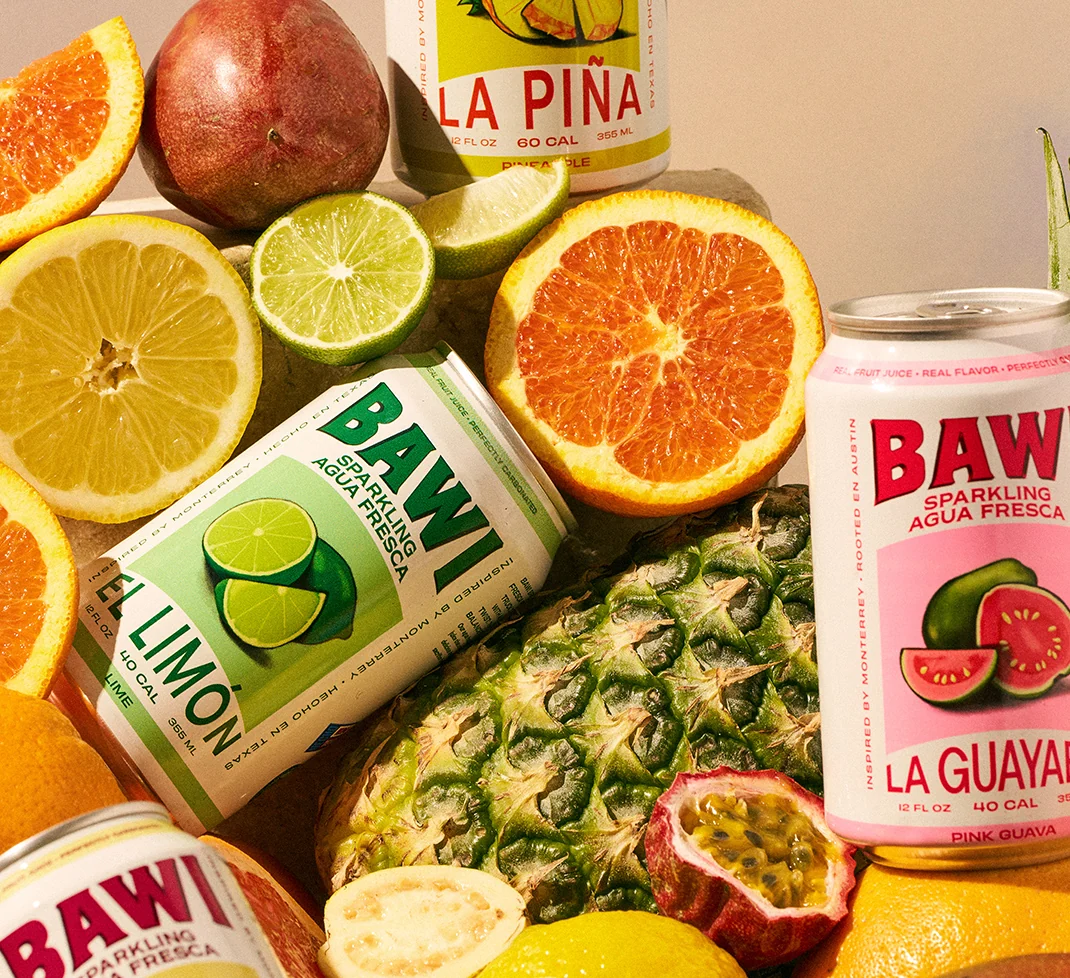
Bawi, a lightly sparkling agua fresca, was preparing to launch its single can at a low-cost retailer and had a price in mind: $2.18. Cans were already selling between $2 and $3 across retail, and the 4-pack ranged from $7.98 at HEB to $10.99 on the West Coast. Like most growing brands, Bawi was setting these numbers on instinct and margin, without a researcher on staff or the budget for an agency study, and with a launch date closing in.
The question was simple and expensive to get wrong: what should Bawi actually charge?
The study
Bawi ran a Van Westendorp price sensitivity study through SegmentOS on both SKUs at once, fielded to 250 United States buyers of sparkling water, functional soda, kombucha, and similar better-for-you carbonated drinks, skewed to Bawi's Gen Z and Millennial core. Alongside the price ranges, the study measured purchase intent at the exact prices Bawi was weighing.
After removing speeders, failed attention checks, and inconsistent responses, 189 clean interviews carried the analysis.
What the data showed
The single can: $2.50, not $2.18. The $2.18 launch price was safe, inside the acceptable range, with 61% of buyers saying they would buy. But intent barely moved up to $2.50 (down under four points), and at $2.50 Bawi earns about 8% more per shopper. Push to $2.99 and demand falls off, with a sharp cliff right at the round $3.00. The launch price wasn't wrong, but it was leaving money on the table.
The 4-pack: $7.98 is the ceiling. The current everyday price sat right at the top of what buyers accept. The higher West Coast prices didn't hold up: at $10.99, purchase intent dropped to 18% and more than half of buyers called the pack too expensive. The data gave Bawi a clear answer on a real expansion question, don't raise the 4-pack above $7.98 in its current form.
One national price. Differences by age, origin, and region weren't statistically significant, so Bawi can price the same way across markets rather than managing separate regional prices.
Why it matters
In one study, run in days for a fraction of an agency's price, Bawi replaced a gut-feel launch price with a defensible number, found roughly 8% more revenue per can it would have left behind at $2.18, and got a hard "no" on a West Coast price increase before it could cost them at the shelf.
Method box
Method: Van Westendorp Price Sensitivity Meter plus monadic purchase-intent, both SKUs.
Sample: 250 US better-for-you carbonated beverage buyers; 189 retained after data cleaning.
Fieldwork: August 2026, via the SegmentOS verified panel.
Quality controls: screener with category and frequency gates, attention checks, speeding and duplicate removal.
Pricing your own launch on instinct? Run the same study on your buyers. Start a pricing study.